
Investing in heavy industrial machinery is a major decision that directly impacts your production efficiency, operational costs, and overall profitability. Whether you are upgrading your current manufacturing setup or building a new fabrication facility, choosing the right equipment is crucial. Welcome to our comprehensive buying guide to CNC plate drilling machine.
In this article, we will walk you through everything you need to know to make an informed purchasing decision, ensuring that you select a machine perfectly tailored to your industrial requirements.
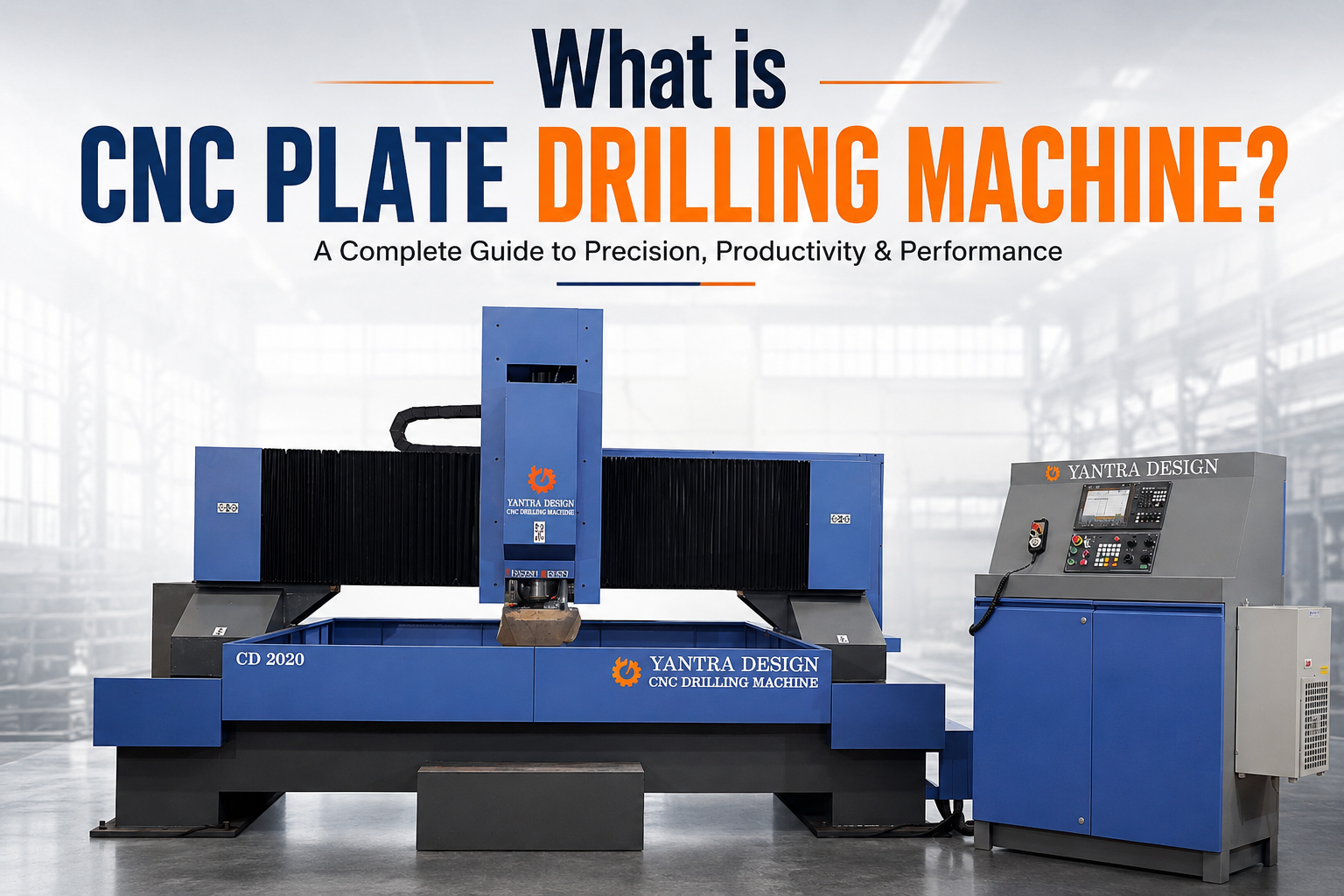
A CNC Plate Drilling Machine is a highly advanced piece of automated industrial equipment designed to drill precise holes into thick metal plates. Utilizing pre-programmed computer software, these machines automate the drilling process, eliminating human error and drastically increasing production speed.
They are widely used in steel fabrication, bridge construction, automotive manufacturing, and aerospace engineering. By processing large and heavy metal plates with pinpoint accuracy, CNC drilling machines have become the backbone of modern heavy industry.
Selecting the perfect machine is more than just matching a price tag to a budget. If you choose a machine with insufficient capacity, you risk causing severe production bottlenecks. Conversely, over-investing in unnecessary automation features can tie up valuable capital without providing a viable return on investment.
The right machine strikes a perfect balance. It enhances your daily output, minimizes material wastage, reduces labor costs, and provides long-term reliability. A well-chosen CNC plate drilling machine will seamlessly integrate into your workflow and grow with your business.
To maximize your investment, you must evaluate several technical and operational criteria. Here are the most important factors to consider:
The size and thickness of the materials you plan to process should dictate your choice. Evaluate the maximum plate dimensions (length and width) and the maximum plate thickness the machine can handle. Ensure the machine can accommodate your largest expected workpieces without compromising stability.
Time is money in industrial fabrication. Look closely at the spindle RPM (Revolutions Per Minute) and the feed rate capabilities. Higher speeds result in faster cycle times, but the machine must also maintain stability to prevent drill bit wear and ensure clean, burr-free holes.
Precision is non-negotiable, especially in sectors like aerospace or structural steel construction where exact tolerances are required. Check the machine's positioning accuracy and repeatability metrics. A rigid frame and high-quality linear guides are essential for maintaining precision during heavy-duty operations.
Modern CNC machines come with a variety of automated features. An Automatic Tool Changer (ATC) allows the machine to swap drill bits without manual intervention, saving immense amounts of time. Automated material handling systems, such as conveyors and hydraulic clamps, further streamline the workflow.
The brain of any CNC equipment is its software. Ensure the machine's controller is compatible with your existing CAD (Computer-Aided Design) and CAM (Computer-Aided Manufacturing) software. User-friendly interfaces reduce the learning curve for your operators and minimize programming time.
Industrial drilling causes intense vibration and stress. The machine must feature a robust, heavy-duty cast iron or welded steel frame to dampen vibrations. Superior build quality directly correlates with a longer lifespan and fewer breakdowns.
Even the best machines require upkeep. Consider how easy it is to access critical components like spindles, motors, and lubrication systems. Machines designed with maintenance in mind will experience significantly less downtime.
A machine is only as good as the support behind it. Reliable after-sales service, including operator training, prompt technical support, and easy access to spare parts, is critical for keeping your production line running smoothly.
While upfront cost is important, it should not be the sole deciding factor. Analyze the Total Cost of Ownership (TCO), which includes maintenance, power consumption, tooling, and labor savings. A slightly more expensive, high-quality machine will often deliver a much better Return on Investment (ROI) over time.
Even experienced buyers can fall into common traps. Avoid these frequent mistakes:
Purchasing heavy machinery is a significant milestone for any fabrication business. By following this guide, assessing your specific capacity needs, and prioritizing build quality and after-sales support, you can make a confident, profitable investment.
Ready to upgrade your production line? Discover high-performance machinery designed for true industrial excellence and consult with our technical experts.
Join the ranks of satisfied clients who have experienced the difference of working with a leader in CNC drilling machine manufacturing.